
Introduction
Houseplants have become increasingly popular in recent years, and for good reason. They add beauty, improve indoor air quality, create a calming atmosphere, and help bring a touch of nature into our homes. Whether you live in a small apartment or a spacious house, indoor plants can transform your living space and contribute to a healthier environment.
However, many beginners struggle to keep houseplants alive. Yellow leaves, root rot, pests, and stunted growth often discourage new plant owners. The truth is that growing healthy houseplants isn’t difficult once you understand the basic principles of plant care.
This comprehensive beginner’s guide will teach you everything you need to know about selecting, caring for, and maintaining thriving houseplants. By following these simple tips, you’ll be able to create an indoor garden that flourishes year-round.
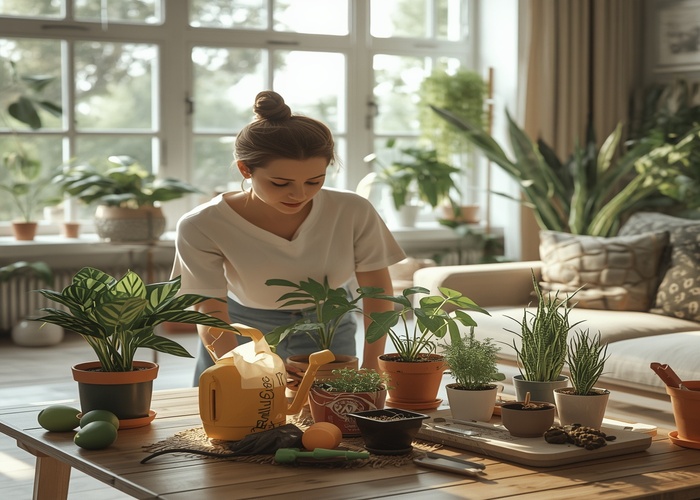
Why Grow Houseplants?
Before diving into plant care techniques, it’s important to understand the benefits of indoor plants.
Benefits of Houseplants
- Improve indoor aesthetics
- Increase humidity levels
- Reduce stress and anxiety
- Enhance mood and productivity
- Help filter certain indoor pollutants
- Create a stronger connection with nature
Houseplants also encourage mindfulness and can become a rewarding hobby for people of all ages.
Choosing the Right Houseplants for Beginners
One of the biggest mistakes beginners make is selecting plants that require advanced care. Starting with low-maintenance varieties greatly increases your chances of success.
Best Houseplants for Beginners
Snake Plant
Known for its resilience, the Snake Plant tolerates low light and infrequent watering.
Pothos
Pothos grows quickly and adapts well to various indoor conditions.
Spider Plant
Spider Plants are easy to care for and produce attractive arching leaves.
ZZ Plant
The ZZ Plant thrives in low-light environments and requires minimal attention.
Peace Lily
Peace Lilies are popular for their elegant appearance and ability to adapt to indoor conditions.
Philodendron
Philodendrons are forgiving plants that grow well in many environments.
Understanding Light Requirements
Light is one of the most important factors affecting plant health.
Different plants have different lighting needs, and understanding your home’s light conditions can help you choose suitable plants.
Types of Indoor Light
Bright Direct Light
Sunlight shines directly onto the plant for several hours each day.
Examples:
- South-facing windows
- Unobstructed sun exposure
Bright Indirect Light
The plant receives plenty of light but no direct sunlight.
Examples:
- Near east-facing windows
- A few feet from sunny windows
Medium Light
Moderate brightness throughout the day.
Examples:
- Rooms with filtered sunlight
- Areas near windows with curtains
Low Light
Minimal natural light.
Examples:
- Hallways
- Bathrooms with small windows
- Interior rooms
Matching Plants to Light Conditions
Low-Light Plants
- Snake Plant
- ZZ Plant
- Pothos
- Cast Iron Plant
Medium-Light Plants
- Peace Lily
- Philodendron
- Chinese Evergreen
Bright-Light Plants
- Fiddle Leaf Fig
- Succulents
- Cacti
- Rubber Plant
Selecting plants that match available light conditions is crucial for long-term success.
Watering Houseplants Properly
Overwatering is the most common cause of houseplant problems.
Many beginners mistakenly believe that frequent watering is beneficial. In reality, too much water often causes root rot and plant death.
How to Know When to Water
Insert your finger approximately one inch into the soil.
If the soil feels dry:
- Water the plant.
If the soil feels moist:
- Wait a few days and check again.
Signs of Overwatering
- Yellow leaves
- Soft stems
- Moldy soil
- Root rot
- Wilting despite wet soil
Signs of Underwatering
- Dry soil
- Crispy leaf edges
- Drooping leaves
- Slow growth
Choosing the Right Pot
The pot plays a significant role in plant health.
Essential Pot Features
Drainage Holes
Always choose pots with drainage holes.
Drainage prevents excess water from accumulating around roots.
Appropriate Size
Avoid selecting pots that are too large.
Excess soil retains moisture and increases the risk of root rot.
Popular Pot Materials
- Terracotta
- Ceramic
- Plastic
- Concrete
Each material has different moisture-retention characteristics.
Understanding Potting Soil
Not all soils are created equal.
Garden soil should generally not be used for indoor plants because it often compacts and drains poorly.
Good Potting Mix Characteristics
- Lightweight
- Well-draining
- Rich in organic matter
- Good aeration
Specialty Soil Mixes
Succulent and Cactus Mix
Designed for excellent drainage.
Tropical Plant Mix
Retains moderate moisture while providing airflow.
Orchid Mix
Contains bark and coarse materials for root ventilation.
Humidity and Temperature
Most popular houseplants originate from tropical regions.
Ideal Indoor Temperature
Most houseplants thrive between:
65°F and 80°F (18°C–27°C)
Humidity Tips
Increase humidity by:
- Grouping plants together
- Using pebble trays
- Running a humidifier
- Placing plants in naturally humid rooms
Plants such as ferns and calatheas particularly appreciate higher humidity levels.
Fertilizing Houseplants
Plants need nutrients to support healthy growth.
Essential Nutrients
- Nitrogen (N)
- Phosphorus (P)
- Potassium (K)
Fertilizing Schedule
Most houseplants benefit from fertilization:
- Every 2–4 weeks during spring and summer
- Less frequently during fall and winter
Types of Fertilizers
Liquid Fertilizers
Easy to apply and quickly absorbed.
Slow-Release Fertilizers
Provide nutrients gradually over time.
Organic Fertilizers
Environmentally friendly and beneficial for soil health.
Cleaning Houseplant Leaves
Dust accumulation can reduce a plant’s ability to absorb light.
How to Clean Leaves
- Use a damp cloth.
- Gently wipe each leaf.
- Avoid harsh cleaning products.
Benefits
- Improved photosynthesis
- Better appearance
- Reduced pest problems
Repotting Houseplants
As plants grow, they eventually outgrow their containers.
Signs a Plant Needs Repotting
- Roots emerging from drainage holes
- Slower growth
- Frequent drying of soil
- Crowded root systems
Best Time to Repot
Spring is typically the ideal season.
Repotting Steps
- Select a pot slightly larger than the current one.
- Remove the plant carefully.
- Loosen roots gently.
- Add fresh potting mix.
- Water thoroughly.
Common Houseplant Pests
Indoor plants occasionally attract pests.
Common Pests
Spider Mites
Tiny pests that create fine webbing.
Fungus Gnats
Small flying insects often found near moist soil.
Mealybugs
White, cotton-like insects found on stems and leaves.
Aphids
Small insects that feed on plant sap.
Natural Pest Control Methods
- Neem oil
- Insecticidal soap
- Regular leaf cleaning
- Proper air circulation
Early detection is key to preventing infestations.
Common Houseplant Problems and Solutions
Yellow Leaves
Possible causes:
- Overwatering
- Poor drainage
- Nutrient deficiencies
Brown Leaf Tips
Possible causes:
- Low humidity
- Underwatering
- Salt buildup
Leggy Growth
Usually caused by insufficient light.
Drooping Leaves
May result from:
- Overwatering
- Underwatering
- Temperature stress
Regular observation helps identify problems before they become severe.
Creating a Plant Care Routine
Consistency is one of the most important factors in successful plant care.
Weekly Tasks
- Check soil moisture
- Inspect leaves
- Remove dead foliage
- Rotate plants for even growth
Monthly Tasks
- Fertilize if needed
- Clean leaves
- Inspect for pests
Seasonal Tasks
- Repot when necessary
- Adjust watering schedules
- Modify light exposure
A simple routine prevents many common plant issues.
Best Locations for Houseplants
Living Room
Ideal for:
- Monstera
- Rubber Plant
- Fiddle Leaf Fig
Bedroom
Ideal for:
- Snake Plant
- Peace Lily
- Pothos
Bathroom
Ideal for:
- Ferns
- Orchids
- Spider Plants
Kitchen
Ideal for:
- Herbs
- Pothos
- Philodendrons
Match plant requirements with room conditions for optimal growth.
Eco-Friendly Houseplant Care Tips
Sustainable plant care benefits both your plants and the environment.
Use Rainwater When Possible
Collected rainwater can provide minerals beneficial to plants.
Reuse Containers
Repurpose containers and pots whenever appropriate.
Compost Organic Waste
Create nutrient-rich compost from kitchen scraps.
Choose Organic Fertilizers
Reduce reliance on synthetic chemicals.
Conclusion
Growing healthy houseplants is an enjoyable and rewarding journey that anyone can master. While it may seem intimidating at first, success comes down to understanding a few essential principles: proper lighting, appropriate watering, quality soil, and consistent care.
By starting with beginner-friendly plants and developing a simple maintenance routine, you’ll gain confidence and experience over time. Remember that every plant owner makes mistakes, and even experienced gardeners continue learning throughout their plant-care journey.
With patience, observation, and the tips outlined in this guide, you can create a thriving indoor garden that enhances your home, improves your well-being, and brings lasting enjoyment for years to come.