
Introduction
Choosing houseplants is often driven by appearance—lush leaves, unique shapes, or trendy varieties seen on social media. But the real secret to keeping indoor plants healthy is matching them to the right environment in your home.
Every room has different lighting, humidity, and temperature conditions. A plant that thrives in a bright living room may struggle in a dark hallway or a humid bathroom. When you understand how to match plants to their surroundings, indoor gardening becomes much easier and far more successful.
This guide will help you choose the perfect plants for every room in your home, ensuring they not only survive but truly thrive.
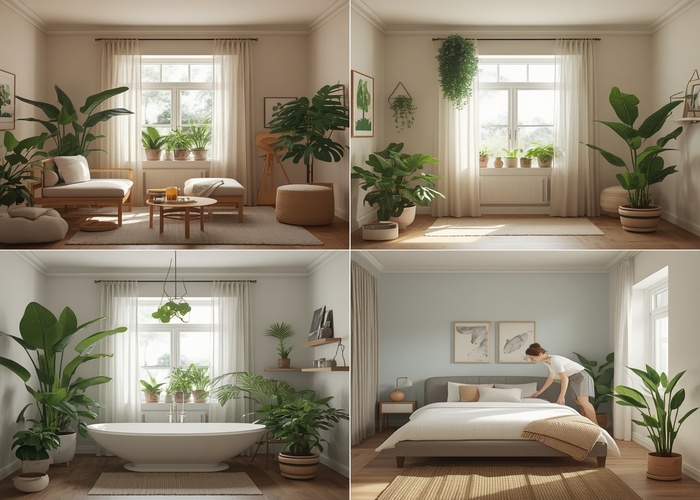
Understanding Your Home’s Growing Conditions
Before selecting plants, it’s important to understand the key environmental factors inside your home.
Light Levels
Different rooms receive different amounts of natural light:
- Bright direct light: Strong sunlight through windows
- Bright indirect light: Well-lit but no direct sun
- Medium light: Moderate natural light
- Low light: Minimal natural sunlight
Humidity Levels
Humidity varies depending on the room:
- Bathrooms and kitchens tend to be more humid
- Bedrooms and living rooms are usually drier
Temperature Stability
Most indoor plants prefer stable temperatures between 18°C and 27°C, away from drafts and heat sources.
Best Plants for the Living Room
The living room is usually the brightest and most spacious area in the home, making it ideal for a variety of plants.
Ideal Conditions
- Medium to bright indirect light
- Stable temperature
- Moderate humidity
Best Plant Choices
Monstera Deliciosa
A dramatic plant with large split leaves that thrives in bright indirect light.
Rubber Plant
Hardy and elegant, with glossy leaves that adapt well to indoor environments.
Fiddle Leaf Fig
A popular statement plant that prefers bright, consistent light.
Areca Palm
Adds a tropical feel and helps improve air freshness.
Why these work
Living rooms usually offer enough space and light for larger decorative plants.
Best Plants for the Bedroom
Bedrooms are designed for rest and relaxation, so plants here should promote calmness and require low maintenance.
Ideal Conditions
- Low to medium light
- Cooler temperatures at night
- Lower humidity
Best Plant Choices
Snake Plant
Known for its ability to survive low light and release oxygen at night.
Peace Lily
Elegant and air-purifying, with occasional white blooms.
Pothos
A trailing plant that thrives in low-light environments.
Lavender (near sunny windows)
Adds a calming scent that may help improve sleep quality.
Why these work
These plants are low-maintenance and help create a relaxing atmosphere.
Best Plants for the Kitchen
Kitchens often have fluctuating temperatures and moderate humidity, making them suitable for practical and edible plants.
Ideal Conditions
- Medium light
- Higher humidity
- Warm environment
Best Plant Choices
Herbs (Basil, Mint, Parsley, Rosemary)
Perfect for cooking and easy to grow on windowsills.
Aloe Vera
Useful for minor burns and thrives in bright kitchen light.
Spider Plant
Handles humidity and helps improve indoor air quality.
Why these work
Kitchen plants should be functional, resilient, and easy to maintain.
Best Plants for the Bathroom
Bathrooms are typically the most humid rooms in the house, often with lower natural light.
Ideal Conditions
- High humidity
- Low to medium light
- Warm temperatures
Best Plant Choices
Ferns (Boston Fern, Maidenhair Fern)
Love humidity and thrive in bathroom conditions.
Calathea
Known for decorative leaves and humidity tolerance.
Bamboo
Can grow in water and handle low light.
Orchids
Prefer humid environments and indirect light.
Why these work
These plants naturally thrive in moisture-rich environments.
Best Plants for Hallways and Low-Light Areas
Hallways and interior rooms often receive very little natural light.
Ideal Conditions
- Very low light
- Stable temperature
- Minimal direct sun exposure
Best Plant Choices
ZZ Plant
Extremely hardy and thrives in near-dark conditions.
Snake Plant
Adapts well to almost any lighting situation.
Cast Iron Plant
Lives up to its name with extreme durability.
Pothos
Grows well even with limited light.
Why these work
These plants are low-maintenance and highly adaptable.
Best Plants for Home Offices
Home offices benefit from plants that improve focus and reduce stress.
Ideal Conditions
- Medium light
- Stable indoor climate
Best Plant Choices
Snake Plant
Boosts oxygen levels and requires little attention.
Pothos
Easy to care for and visually calming.
ZZ Plant
Perfect for busy schedules and low maintenance care.
Peace Lily
Adds elegance and helps purify air.
Why these work
These plants enhance productivity and require minimal care interruptions.
Matching Plants to Your Lifestyle
Choosing the right plant is not only about the room—it’s also about your lifestyle.
For Busy People
- ZZ Plant
- Snake Plant
- Pothos
For Plant Enthusiasts
- Calathea
- Fiddle Leaf Fig
- Orchids
For Beginners
- Spider Plant
- Snake Plant
- Pothos
Common Mistakes When Placing Plants in Rooms
Ignoring Light Conditions
Placing a sun-loving plant in a dark room leads to poor growth.
Overcrowding Spaces
Too many plants can reduce airflow and increase maintenance difficulty.
Forgetting Humidity Needs
Some plants require more moisture than others.
Not Rotating Plants
Plants may grow unevenly if not rotated regularly.
Tips for Successful Plant Placement
- Observe natural light throughout the day
- Start with low-maintenance plants first
- Group plants with similar needs together
- Rotate plants every 1–2 weeks
- Adjust placement seasonally
Conclusion
Choosing the perfect plants for every room in your home is about more than decoration—it’s about understanding how each space supports plant life. When you match plants to their ideal environment, you reduce maintenance stress and increase your chances of long-term success.
From humidity-loving ferns in the bathroom to low-light survivors like the ZZ plant in hallways, every room can support healthy, thriving greenery. With a thoughtful approach, you can transform your entire home into a balanced, beautiful, and plant-friendly environment.
A well-placed plant doesn’t just decorate a room—it enhances it.