
Introduction
An indoor jungle is more than just a collection of houseplants—it’s a living, breathing design style that transforms your home into a lush, calming, and natural environment. The good news is that you don’t need a large budget or a designer’s touch to achieve it.
With smart plant choices, creative DIY solutions, and a bit of patience, you can turn even a small apartment into a vibrant green sanctuary. The key is knowing where to save money, where to invest wisely, and how to style your plants for maximum visual impact.
This guide will show you exactly how to create a beautiful indoor jungle on a budget without compromising on style or plant health.
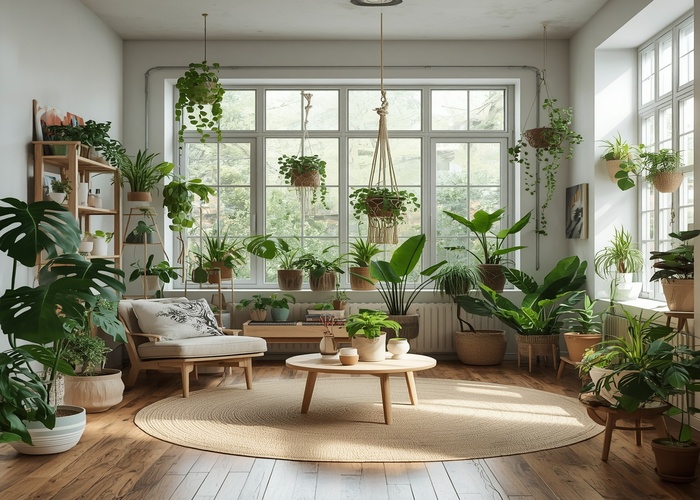
What Makes an Indoor Jungle?
An indoor jungle is a layered plant setup that mimics a natural tropical environment.
Key Features
- Multiple plant heights and sizes
- Dense greenery with visual depth
- Natural textures (wood, clay, woven baskets)
- Cascading and trailing plants
- A relaxed, organic layout
The goal is not perfection—it’s abundance and natural flow.
1. Start with Affordable, Easy Plants
You don’t need rare or expensive plants to create a jungle effect.
Budget-Friendly Plants
Pothos
Fast-growing and perfect for trailing effects.
Spider Plant
Produces “babies” you can replant for free.
Snake Plant
Tall, sculptural, and extremely low maintenance.
Philodendron
Grows quickly and fills empty spaces.
ZZ Plant
Perfect for low-light corners.
Why this works
These plants are widely available and often sold at low prices in nurseries and supermarkets.
2. Propagate Your Own Plants (Free Expansion)
Propagation is one of the cheapest ways to grow your indoor jungle.
Easy Plants to Propagate
- Pothos
- Spider Plant
- Philodendron
How it works
- Cut a healthy stem below a node
- Place it in water
- Wait for roots to grow
- Transfer to soil
Benefits
- Free new plants
- Faster jungle growth
- Easy way to fill empty spaces
3. Use Budget Containers and DIY Pots
You don’t need expensive designer planters.
Affordable Alternatives
- Recycled jars
- Plastic nursery pots inside decorative covers
- Painted tin cans
- Thrifted bowls and baskets
DIY Styling Tip
Wrap simple pots with:
- Jute rope
- Fabric
- Bamboo sheets
This creates a natural, cohesive jungle look.
4. Maximize Vertical Space
An indoor jungle is not only horizontal—it grows upward.
Budget Vertical Ideas
- Wall-mounted shelves
- Hanging planters
- Macramé plant hangers
- DIY wooden racks
Benefits
- Saves floor space
- Creates layered greenery
- Adds depth and dimension
Even a small wall can become a lush plant display.
5. Mix Plant Heights for a Natural Look
A jungle feels dense and dynamic because of varied plant heights.
Structure Your Plants Like This:
- Tall plants: Snake Plant, Dracaena
- Medium plants: Philodendron, Peace Lily
- Trailing plants: Pothos, Ivy
Why it matters
Layering creates a natural forest-like effect instead of a flat arrangement.
6. Shop Smart: Where to Find Cheap Plants
You don’t need expensive garden centers.
Budget Sources
- Local nurseries (often cheaper than retail stores)
- Supermarkets with plant sections
- Plant swaps or community groups
- Online marketplaces
- End-of-season sales
Pro tip
Look for “slightly imperfect” plants—they are often heavily discounted but still healthy.
7. Use Natural Light Efficiently
Good lighting reduces the need for expensive grow lights.
Tips
- Place plants near windows with indirect light
- Rotate plants weekly for even growth
- Use mirrors to reflect light into darker areas
Budget benefit
You avoid buying artificial lighting systems early on.
8. Create a Focal Plant Corner
Instead of spreading plants randomly, create a “jungle corner.”
How to build it
- Choose one area (living room corner, balcony, or window space)
- Group multiple plants together
- Mix sizes and textures
- Add a chair or small table for styling
Result
A dramatic jungle effect without filling the entire home.
9. Use Natural Materials for Styling
Decoration plays a huge role in the jungle aesthetic.
Budget Materials
- Wooden crates
- Bamboo mats
- Woven baskets
- Pebbles and stones
Why it works
Natural materials blend seamlessly with greenery, enhancing the jungle feel.
10. Grow Plants from Cuttings Instead of Buying
Buying mature plants can be expensive, but cuttings are cheap or free.
Best Plants for Cuttings
- Pothos
- Monstera
- Philodendron
- Tradescantia
Benefits
- Low cost
- Faster collection growth
- Fun and rewarding process
11. Group Plants for Humidity Boost
Grouping plants together creates a microclimate.
Benefits
- Higher humidity naturally
- Healthier tropical plants
- More cohesive jungle appearance
This is especially useful in dry indoor environments.
12. Add Budget-Friendly Hanging Plants
Hanging plants instantly make a space feel lush.
Affordable Options
- Pothos in hanging pots
- Spider Plant
- String of Hearts (if available at discount)
DIY hanging ideas
- Macramé hangers
- Rope + recycled containers
- Ceiling hooks with lightweight pots
13. Use Thrifted or Repurposed Furniture
Furniture can double as plant stands.
Ideas
- Old ladders as plant shelves
- Wooden stools for elevation
- Bookshelves for layered display
Why it matters
It adds structure and saves money on plant stands.
14. Focus on Fast-Growing Plants
Fast growers fill your jungle quickly.
Examples
- Pothos
- Philodendron
- Spider Plant
Benefit
You achieve a dense jungle look faster without buying many plants.
15. Maintain on a Budget
Creating a jungle is one thing—maintaining it cheaply is another.
Simple Care Routine
- Water only when soil is dry
- Wipe leaves with a damp cloth
- Rotate plants regularly
- Use homemade compost or diluted natural fertilizer
Budget advantage
Avoids unnecessary spending on chemicals and over-care products.
Common Mistakes to Avoid
Buying Too Many Plants at Once
Start small and expand gradually.
Ignoring Light Needs
Even budget plants need proper lighting.
Overdecorating
Too many accessories can ruin the natural jungle effect.
Skipping Propagation
This is the fastest way to grow your jungle for free.
Conclusion
Creating a beautiful indoor jungle on a budget is completely achievable with the right approach. You don’t need rare plants or expensive décor—just smart planning, creative reuse, and a focus on natural growth.
By combining affordable plants, DIY styling, propagation techniques, and smart placement, you can gradually transform your home into a lush green sanctuary.
The real secret is consistency. A jungle doesn’t appear overnight—it grows, evolves, and becomes more beautiful over time. With patience and creativity, your indoor space can become a vibrant, calming, and budget-friendly natural retreat.