
Introduction
Your bedroom should be the most relaxing space in your home—a place where your mind and body can unwind after a long day. While many people focus on bedding, lighting, and colors, one often-overlooked element can significantly improve your sleep environment: houseplants.
Certain indoor plants are known for their calming presence, air-purifying qualities, and ability to create a peaceful atmosphere. When placed correctly, they can help reduce stress, improve air quality, and support better sleep quality.
In this guide, you’ll discover the best bedroom plants for better sleep and relaxation, along with simple care tips to keep them thriving.
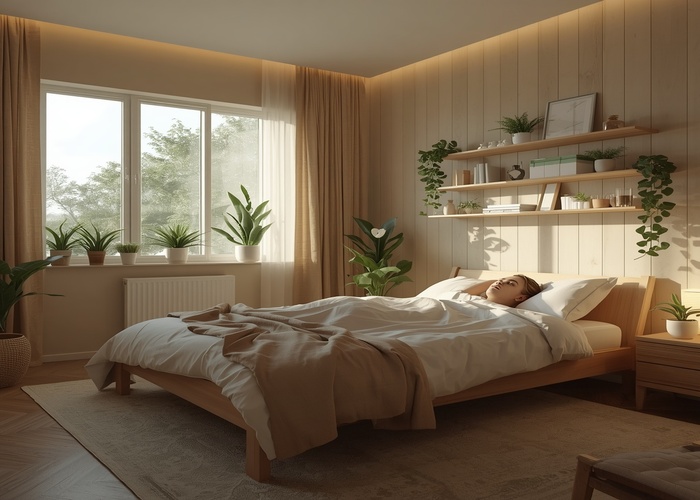
How Plants Improve Sleep Quality
Houseplants can contribute to a healthier sleep environment in several ways.
Key Benefits
- Improve indoor air quality
- Increase humidity levels naturally
- Reduce stress and anxiety visually
- Create a calming, nature-inspired atmosphere
- Absorb certain indoor pollutants
While plants are not a medical treatment for sleep issues, they can support a more relaxing environment that promotes better rest.
1. Snake Plant (Sansevieria)
The Snake Plant is one of the most popular bedroom plants—and for good reason.
Why it’s great for bedrooms
- Releases oxygen at night (unlike most plants)
- Extremely low maintenance
- Tolerates low light conditions
Care tips
- Water only when soil is completely dry
- Avoid overwatering
- Place near indirect light or in low-light corners
Relaxation benefit
Its tall, structured leaves create a calming, minimalist visual effect that helps reduce visual clutter in the bedroom.
2. Peace Lily
The Peace Lily is known for its elegant white flowers and soothing appearance.
Why it’s great for bedrooms
- Helps filter indoor air pollutants
- Thrives in low to medium light
- Adds a soft, peaceful aesthetic
Care tips
- Keep soil slightly moist
- Avoid direct sunlight
- Mist occasionally for humidity
Relaxation benefit
Its soft leaves and white blooms create a spa-like atmosphere that promotes calmness.
3. Lavender
Lavender is widely known for its calming scent and sleep-supporting properties.
Why it’s great for bedrooms
- Natural fragrance may promote relaxation
- Helps reduce stress and anxiety
- Beautiful purple flowers add color
Care tips
- Requires bright light (near a sunny window)
- Allow soil to dry between watering
- Ensure good air circulation
Relaxation benefit
Lavender’s scent is often associated with improved sleep quality and reduced restlessness.
4. Aloe Vera
Aloe Vera is both functional and easy to care for.
Why it’s great for bedrooms
- Releases oxygen at night
- Requires minimal watering
- Has air-purifying qualities
Care tips
- Place in bright indirect light
- Water sparingly
- Use well-draining soil
Relaxation benefit
Its clean, structured appearance contributes to a calm and organized bedroom environment.
5. Jasmine
Jasmine is a fragrant plant known for its delicate white flowers.
Why it’s great for bedrooms
- Sweet scent may improve sleep quality
- Creates a romantic and calming atmosphere
- Can reduce anxiety levels
Care tips
- Needs bright light
- Keep soil lightly moist
- Prune regularly for healthy growth
Relaxation benefit
Its gentle fragrance can help relax the nervous system before bedtime.
6. Spider Plant
The Spider Plant is one of the easiest indoor plants to grow.
Why it’s great for bedrooms
- Improves indoor air quality
- Non-toxic and safe for pets
- Adapts well to different light conditions
Care tips
- Water moderately
- Avoid direct sunlight
- Remove “baby” plants for propagation
Relaxation benefit
Its cascading leaves add soft movement and a natural feel to bedroom spaces.
7. English Ivy
English Ivy is a trailing plant that adds a soft, natural look to bedrooms.
Why it’s great for bedrooms
- May help reduce airborne particles
- Grows well in hanging baskets
- Adds a lush, calming effect
Care tips
- Prefers bright indirect light
- Keep soil slightly moist
- Mist occasionally
Relaxation benefit
Its flowing vines create a peaceful, forest-like aesthetic.
8. Rubber Plant
The Rubber Plant is a bold, decorative option for bedroom corners.
Why it’s great for bedrooms
- Helps improve air quality
- Strong visual presence without clutter
- Low maintenance
Care tips
- Prefers medium to bright indirect light
- Water when topsoil is dry
- Wipe leaves regularly
Relaxation benefit
Its large, glossy leaves create a sense of stability and calm structure.
9. Pothos (Devil’s Ivy)
Pothos is one of the most forgiving and adaptable houseplants.
Why it’s great for bedrooms
- Thrives in low light
- Very easy to maintain
- Fast-growing trailing plant
Care tips
- Water when soil is dry
- Place in hanging pots or shelves
- Trim to control growth
Relaxation benefit
Its cascading vines soften room edges and create a relaxed, natural feel.
10. Snake Plant Variations (Golden, Cylindrical Types)
Different varieties of Snake Plant offer unique visual styles while maintaining the same benefits.
Why they’re great for bedrooms
- Extremely hardy
- Stylish vertical structure
- Require minimal care
Care tips
- Very low watering needs
- Tolerates neglect well
- Works in almost any light condition
Relaxation benefit
Their upright growth pattern adds a sense of order and calm.
Best Placement Tips for Bedroom Plants
Where you place your plants is just as important as which plants you choose.
Ideal locations
- Near windows with indirect light
- Bedside tables (small plants only)
- Bedroom corners for larger plants
- Hanging shelves for trailing plants
Avoid
- Overcrowding the bed area
- Blocking walkways
- Placing plants in dark, sealed corners
Common Bedroom Plant Mistakes
Overwatering
One of the most common causes of plant failure indoors.
Choosing high-maintenance plants
Bedrooms are better suited for low-care species.
Ignoring light levels
Even shade-tolerant plants need some natural light.
Too many plants
Overcrowding can make the space feel cluttered instead of relaxing.
Creating a Sleep-Friendly Plant Setup
To maximize relaxation benefits, follow these simple design tips:
- Use 2–5 plants instead of filling the room
- Mix tall and small plants for balance
- Choose calming green tones over bright colors
- Keep arrangements minimal and clean
- Use natural pots like clay or woven baskets
Conclusion
Bedroom plants are more than just decorative elements—they help create a calm, refreshing environment that supports relaxation and better sleep. By choosing the right plants and placing them thoughtfully, you can transform your bedroom into a peaceful natural retreat.
From the oxygen-releasing Snake Plant to the soothing scent of Lavender, each plant offers unique benefits that contribute to a more restful atmosphere. The key is simplicity: a few well-chosen plants can make a significant difference.
With consistent care and mindful placement, your bedroom can become a quiet, green sanctuary that promotes better rest every night.