
Introduction
Pests are one of the most frustrating problems for plant lovers. Whether you’re growing houseplants indoors or maintaining a small garden, insects like aphids, spider mites, and fungus gnats can quickly damage your plants if left untreated.
Many commercial pesticides work quickly, but they often contain harsh chemicals that can harm beneficial insects, affect indoor air quality, and even irritate humans and pets. Fortunately, there are many natural and effective ways to protect your plants without using chemicals.
In this guide, you’ll learn practical, eco-friendly pest control methods that help keep your plants healthy, strong, and thriving.
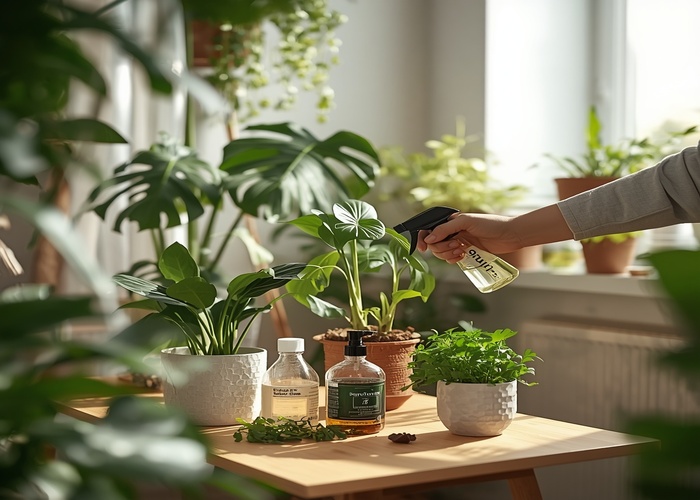
Why Choose Natural Pest Control?
Natural pest control methods focus on prevention and balance rather than harsh elimination.
Benefits of Chemical-Free Pest Control
- Safer for children and pets
- Protects beneficial insects
- Improves indoor air quality
- Environmentally friendly
- Reduces chemical exposure in your home
- Often more affordable
Natural methods may take slightly longer to work, but they are safer and more sustainable in the long term.
1. Regular Plant Inspection
Prevention starts with observation.
What to check
- Undersides of leaves
- Stems and soil surface
- New growth areas
- Signs of webbing or sticky residue
Why it works
Early detection prevents pests from spreading and causing serious damage.
Pro tip
Inspect your plants once a week as part of your routine care.
2. Neem Oil Spray (Natural Insect Control)
Neem oil is one of the most effective natural pest control solutions.
How it works
It disrupts the life cycle of insects and prevents them from feeding and reproducing.
DIY neem spray
- 1 liter of water
- 1–2 teaspoons neem oil
- A few drops of mild liquid soap
Shake well and spray on affected areas.
Best for
- Aphids
- Spider mites
- Whiteflies
3. Soap and Water Spray
A simple solution that works surprisingly well for soft-bodied insects.
DIY recipe
- 1 liter of water
- A few drops of mild dish soap
How to use
Spray directly on pests and affected leaves.
Why it works
Soap breaks down the outer layer of insects, helping control infestations.
4. Introduce Beneficial Insects (Outdoor Plants)
Not all insects are harmful.
Helpful insects
- Ladybugs
- Lacewings
- Parasitic wasps
Why it works
They naturally feed on harmful pests, keeping populations under control.
5. Use Sticky Traps for Flying Pests
Fungus gnats and whiteflies can be controlled using sticky traps.
How to use
- Place yellow sticky cards near plants
- Replace when full of insects
Why it works
Flying pests are attracted to color and get trapped on the surface.
6. Cinnamon Powder for Soil Protection
Cinnamon is a natural antifungal agent.
How to use
- Sprinkle a thin layer on top of soil
- Reapply after watering if needed
Benefits
- Helps prevent fungus gnats
- Reduces mold growth
- Safe and natural
7. Proper Watering Habits
Overwatering is one of the main causes of pest problems.
What goes wrong
Excess moisture creates the perfect environment for fungus gnats and root issues.
How to avoid it
- Let soil dry between watering
- Use pots with drainage holes
- Avoid water accumulation in trays
8. Improve Air Circulation
Still air encourages pest infestations.
How to improve airflow
- Space plants apart
- Open windows regularly
- Use a small fan indoors if needed
Why it works
Better airflow makes it harder for pests to settle and reproduce.
9. Remove Infected Leaves Immediately
Quick action prevents spread.
What to do
- Cut damaged or infested leaves
- Dispose of them away from plants
- Clean tools after use
Why it matters
Pests often spread from one leaf to another quickly.
10. Garlic Spray (Natural Repellent)
Garlic has strong natural insect-repelling properties.
DIY garlic spray
- 2–3 garlic cloves
- 1 liter of water
- Blend and strain
Spray on plant leaves and stems.
Best for
- Aphids
- Mites
- General pest prevention
11. Use Rubbing Alcohol for Spot Treatment
Effective for small infestations.
How to use
- Dip a cotton swab in diluted alcohol
- Apply directly to pests like mealybugs
Warning
Test on a small area first to avoid leaf damage.
12. Keep New Plants Isolated
New plants can introduce pests into your home.
What to do
- Quarantine new plants for 1–2 weeks
- Inspect regularly before placing near others
Why it works
Prevents hidden infestations from spreading.
13. Maintain Healthy Soil
Healthy plants are more resistant to pests.
Soil tips
- Use high-quality potting mix
- Avoid compacted soil
- Refresh soil when needed
Why it matters
Strong roots help plants recover faster from pest damage.
14. Natural Oil Sprays (Alternative Options)
Besides neem oil, other plant-based oils can help.
Options
- Coconut oil (light use)
- Eucalyptus oil (diluted)
- Peppermint oil (repellent effect)
Caution
Always dilute essential oils before applying to plants.
15. Encourage Strong Plant Growth
Healthy plants naturally resist pests better.
How to strengthen plants
- Provide proper lighting
- Fertilize during growing seasons
- Avoid stress from overwatering or neglect
Why it works
Weak plants are easier targets for pests.
Common Plant Pests and Natural Solutions
Aphids
- Use neem oil or soap spray
Spider mites
- Increase humidity
- Spray water regularly
Fungus gnats
- Let soil dry
- Use cinnamon or sticky traps
Mealybugs
- Use rubbing alcohol treatment
Preventing Future Pest Problems
Simple habits
- Inspect plants weekly
- Avoid overwatering
- Clean leaves regularly
- Rotate plants for better airflow
- Keep environment clean and dry
Prevention is always easier than treatment.
Conclusion
Protecting your plants from pests doesn’t require harsh chemicals or expensive treatments. With natural methods like neem oil, proper watering habits, improved airflow, and regular inspection, you can keep your plants healthy and pest-free in a safe and eco-friendly way.
The key is consistency. Small, regular actions are far more effective than reacting only when infestations become severe. By building good plant care habits, you create a strong, balanced environment where pests struggle to thrive.
Healthy plants are resilient plants—and with these natural techniques, you can maintain a thriving indoor garden without chemicals.