
Introduction
The concept of green homes is transforming the future of housing and construction. As environmental concerns continue to grow, more people are shifting toward homes that are energy-efficient, environmentally friendly, and designed with sustainability in mind. Green homes are not just a trend; they represent a long-term solution to reduce environmental impact while improving quality of life.
What Is a Green Home?
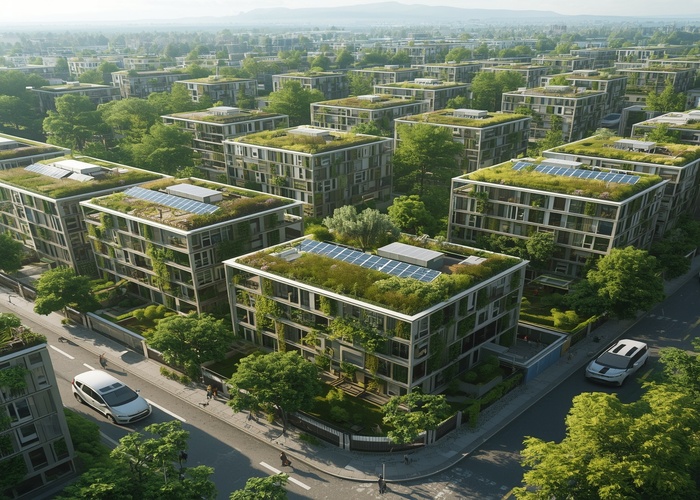
A green home is a residential building designed to minimize its negative impact on the environment. It uses sustainable materials, energy-efficient systems, and smart design principles to reduce waste, energy consumption, and pollution.
The main goal of a green home is to create a healthy living environment while preserving natural resources for future generations.
Sustainable Building Materials
One of the key features of green homes is the use of eco-friendly building materials. Instead of relying on traditional materials that may harm the environment, green construction uses:
- Recycled wood and steel
- Bamboo and other renewable resources
- Non-toxic paints and finishes
- Locally sourced materials
These choices reduce pollution, lower carbon emissions, and improve indoor air quality.
Energy Efficiency in Green Homes
Energy efficiency is at the heart of green home design. These homes are built to reduce energy consumption through smart planning and modern technology.
Common features include:
- Large windows for natural lighting
- High-quality insulation to reduce heat loss
- Energy-efficient appliances
- Smart thermostats and lighting systems
Many green homes also use renewable energy sources such as solar panels to generate clean electricity and reduce reliance on fossil fuels.
Water Efficiency and Conservation
Water conservation is another essential aspect of green homes. These houses are designed to use water efficiently and reduce waste.
Some common solutions include:
- Rainwater harvesting systems
- Low-flow toilets and showerheads
- Water recycling systems for gardens
- Drought-resistant landscaping
These features help reduce water consumption and support sustainable living.
Indoor Health and Air Quality
Green homes are not only better for the environment but also healthier for the people living in them. Traditional homes may contain harmful chemicals from paints, furniture, and building materials.
In contrast, green homes focus on:
- Using non-toxic materials
- Improving ventilation systems
- Reducing indoor pollutants
- Increasing natural airflow
This results in cleaner air and a healthier indoor environment.
Economic Benefits of Green Homes
Although green homes may require higher initial investment, they offer long-term financial benefits.
Homeowners can enjoy:
- Lower electricity and water bills
- Reduced maintenance costs
- Higher property value
- Long-term energy savings
Over time, the savings often outweigh the initial construction costs.
The Future of Green Housing
The demand for green homes is increasing worldwide. Governments, builders, and organizations are encouraging sustainable construction through incentives and regulations.
As technology advances, green homes are becoming more affordable and accessible to the general public. This shift is expected to play a major role in reducing global carbon emissions and promoting sustainable urban development.
Conclusion
Green homes represent the future of sustainable living. By combining eco-friendly materials, energy efficiency, and smart design, they offer a powerful solution to environmental challenges.
As more people adopt green housing solutions, the world moves closer to a cleaner, healthier, and more sustainable future.