
Introduction
Building a greener future is no longer optional—it is a shared responsibility that involves individuals, communities, organizations, and governments. As environmental challenges continue to grow, collective action becomes essential to ensure a healthier planet for future generations. Sustainability is not achieved through one action or one group alone, but through continuous cooperation and commitment.
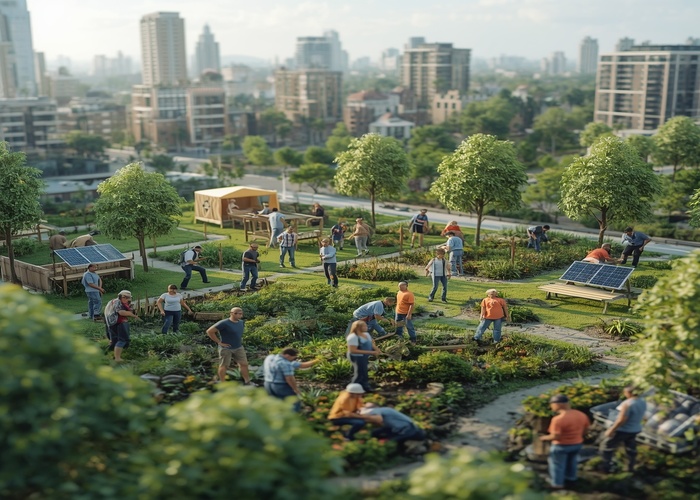
Why a Greener Future Matters
The world is facing serious environmental issues such as climate change, deforestation, pollution, and loss of biodiversity. These problems affect everyone, regardless of location or lifestyle.
If no action is taken, the consequences may include:
- Rising global temperatures
- Extreme weather events
- Water and food shortages
- Damage to ecosystems and wildlife
A greener future is essential to reduce these risks and ensure long-term environmental stability.
The Role of Individuals
Every individual has the power to contribute to environmental protection through daily choices and habits.
Simple actions include:
- Reducing energy consumption at home
- Using renewable energy when possible
- Recycling and reducing waste
- Choosing eco-friendly products
- Conserving water
Although these actions may seem small, their collective impact is significant when adopted by millions of people.
The Role of Communities
Communities play a vital role in promoting environmental awareness and sustainable practices. Local initiatives can create meaningful change at a larger scale.
Examples of community actions include:
- Organizing clean-up campaigns
- Planting trees in public spaces
- Promoting recycling programs
- Educating residents about sustainability
Strong communities can inspire long-term behavioral change and environmental responsibility.
The Role of Organizations
Organizations such as Green Home are essential in driving environmental awareness and innovation. They provide education, resources, and practical solutions for sustainable living.
Organizations contribute by:
- Developing eco-friendly solutions
- Promoting sustainable housing and design
- Supporting environmental education programs
- Encouraging responsible consumption
Through their efforts, they help bridge the gap between knowledge and action.
The Role of Governments
Governments also play a critical role in shaping environmental policy and supporting sustainability.
They can contribute by:
- Enforcing environmental regulations
- Investing in renewable energy projects
- Supporting green infrastructure
- Encouraging sustainable urban development
Strong policies help accelerate the transition toward a greener economy.
The Importance of Education and Awareness
Education is one of the most powerful tools for creating lasting environmental change. When people understand the impact of their actions, they are more likely to make responsible choices.
Awareness campaigns, school programs, and community workshops can help spread knowledge about sustainability and inspire action across all age groups.
Sustainable Technology and Innovation
Technology is a key driver of environmental progress. Innovations in energy, construction, transportation, and waste management are making it easier to live sustainably.
Examples include:
- Renewable energy systems
- Smart home technologies
- Electric vehicles
- Advanced recycling systems
These technologies help reduce environmental impact while improving efficiency and convenience.
Challenges on the Path to Sustainability
Despite progress, several challenges remain, including:
- High costs of green technologies
- Lack of awareness in some regions
- Resistance to change
- Limited access to sustainable infrastructure
Overcoming these challenges requires collaboration, investment, and education.
Conclusion
A greener future is only possible through collective effort. Individuals, communities, organizations, and governments must work together to protect the environment and promote sustainability.
Every action matters, no matter how small. By adopting sustainable habits and supporting eco-friendly initiatives, we can create a cleaner, healthier, and more sustainable world for future generations.