
Introduction
Eco-friendly architecture is reshaping the global construction industry by introducing smarter, cleaner, and more sustainable ways to design and build buildings. As environmental concerns continue to rise, architects and engineers are focusing on creating structures that reduce environmental impact while improving efficiency, comfort, and quality of life.
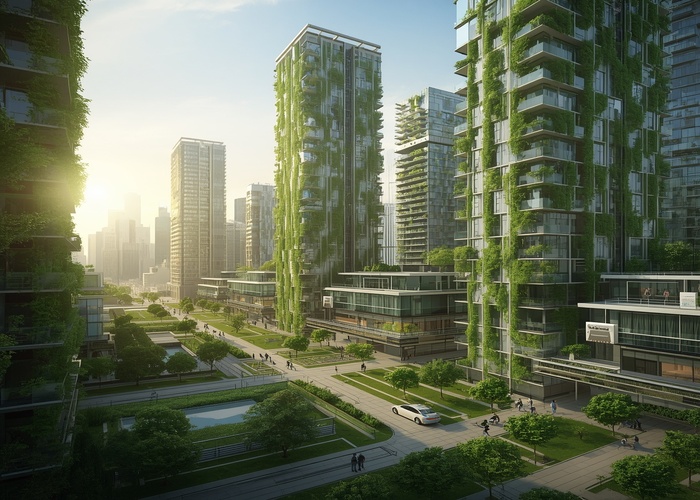
What Is Eco-Friendly Architecture?
Eco-friendly architecture, also known as sustainable or green architecture, is a design approach that aims to minimize the negative impact of buildings on the environment.
It focuses on:
- Reducing energy consumption
- Using sustainable materials
- Improving indoor environmental quality
- Reducing waste during construction
The goal is to create buildings that are both environmentally responsible and resource-efficient.
Sustainable Building Materials
One of the most important aspects of eco-friendly architecture is the use of sustainable materials.
Common materials include:
- Recycled steel and wood
- Bamboo and other rapidly renewable resources
- Low-carbon concrete alternatives
- Non-toxic paints and finishes
These materials help reduce environmental damage and improve the overall sustainability of construction projects.
Energy-Efficient Building Design
Energy efficiency is a key principle in modern architecture. Buildings are now designed to naturally reduce energy consumption through smart planning and orientation.
Key features include:
- Large windows for natural daylight
- Strategic building orientation for sunlight optimization
- High-quality insulation
- Natural ventilation systems
These design strategies reduce the need for artificial heating, cooling, and lighting.
Smart Building Technologies
Technology plays a major role in eco-friendly architecture. Smart systems help optimize energy use and improve building efficiency.
Examples include:
- Smart thermostats
- Automated lighting systems
- Energy monitoring systems
- Intelligent climate control
These technologies allow buildings to adjust energy usage automatically based on occupancy and environmental conditions.
Water Efficiency in Building Design
Water conservation is another important element of sustainable architecture. Modern buildings are designed to use water more efficiently and reduce waste.
Common solutions include:
- Rainwater harvesting systems
- Greywater recycling systems
- Low-flow plumbing fixtures
- Water-efficient landscaping
These systems help reduce water consumption significantly.
Integration with Nature
Eco-friendly architecture emphasizes harmony between buildings and the natural environment. Instead of disrupting ecosystems, modern designs aim to integrate with them.
This can be achieved through:
- Green roofs and vertical gardens
- Preserving natural landscapes
- Using natural ventilation and lighting
- Designing buildings that blend with surroundings
This approach improves both environmental sustainability and human well-being.
Benefits of Eco-Friendly Architecture
Eco-friendly buildings offer numerous advantages for both individuals and society.
Environmental Benefits
- Reduced carbon emissions
- Lower resource consumption
- Less construction waste
- Improved biodiversity protection
Economic Benefits
- Lower energy and water bills
- Reduced maintenance costs
- Increased property value
- Long-term savings
Health Benefits
- Better indoor air quality
- Reduced exposure to toxic materials
- Improved comfort and living conditions
The Future of Sustainable Construction
The future of architecture is strongly moving toward sustainability. Governments, organizations, and developers are increasingly adopting green building standards and certifications.
With advancements in technology and materials, eco-friendly buildings are becoming more affordable and accessible. In the coming years, sustainable design is expected to become the global standard in construction.
Conclusion
Eco-friendly architecture represents a major shift in how buildings are designed and constructed. By focusing on sustainability, energy efficiency, and environmental harmony, it offers a powerful solution to modern environmental challenges.
As this trend continues to grow, it will play a key role in shaping healthier cities and a more sustainable future.